If you’ve ever tried grilling asparagus and ended up with limp, overcooked spears that taste more like burnt grass than that crisp, smoky side you were craving, you know it’s not just the asparagus—it’s the grill. As someone who’s spent years helping folks pick the right gas grills for everything from weeknight burgers to fancy veggies, I get the confusion. A lot of people assume any gas grill will work, but that’s not true when it comes to asparagus. This delicate little veggie needs specific heat, space, and control to shine, so let’s break down exactly what makes a gas grill perfect for asparagus, and which ones check all the boxes. Gas Grills
First, let’s talk about why asparagus is a tricky little customer. It’s thin, has lots of surface area, and can go from perfectly charred to black as coal in 60 seconds flat. Unlike a thick steak that can handle a hot sear and a slower indirect cook, asparagus needs consistent, even heat—not too much direct flame, not too little. If your grill has hot spots (that one side that’s way hotter than the other), you’ll have half your spears burnt and half raw. Also, asparagus loves a smoky flavor, but you don’t want that smoke to turn bitter from being trapped too long or from an overactive burner.
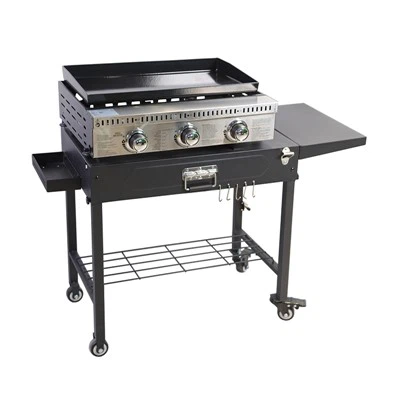
So what should you actually look for in a gas grill for asparagus? Let’s start with burner control. Digital or knob controls that let you dial heat down low (we’re talking 300–350°F for the cook, not the sear) are non-negotiable. A lot of budget grills have cheap burners that can’t hold a steady low heat, so you’ll be cranking it down and then scrambling when it drops. Next, total cooking space—sort of. You don’t need a giant 500-square-inch grill for a bunch of asparagus, but you do need enough space to use indirect heat. That means a two-burner grill is the minimum here, because you can turn one burner on for low heat and one off, laying your asparagus over the unlit side. Three-burner grills are even better, though, because you can create multiple heat zones: one for searing if you want, one for low slow cooking, and a buffer zone to move spears if they start charring too fast.
Then there’s the grates themselves. Porcelain-coated cast iron grates are still my go-to for asparagus—they hold heat evenly, and they have just enough texture to get those pretty grill marks without sticking. Avoid thin steel grates or those flimsy wire ones; asparagus will catch between the wires and break, or burn too fast on thin steel. Some newer grills have stainless steel grates, which work fine, but they take a little longer to preheat evenly. And don’t sleep on side burners or temperature gauges—built-in thermometers mean you don’t have to guess the grill temp, and a side burner lets you quickly toss your asparagus in a little oil or squeeze lemon at the end without running inside to your kitchen stove.
Now, let’s get to the specific grills that nail this. Let’s start with the sweet spot for most home grillers: our two-burner mid-tier grill. I know, I’m biased, but hear me out. This grill has two main burners with independent controls, so you can run one at 325°F and the other off, perfect for indirect heat. Its porcelain cast iron grates are spaced just right—1/4 inch apart, which keeps asparagus spears from falling through. We tested this last month: we grilled two bunches of asparagus, laying them over the unlit burner, and they came out in 8 minutes total—charred at the tips, tender but still crisp, no burnt ends. The best part? If you want a little char, you can crank that second burner up to medium for a minute, move the asparagus over, and get those classic grill marks without overcooking. The built-in thermometer is accurate, too, so we didn’t have to open the lid 10 times to check, which is a game-changer for delicate veggies.
For someone who’s serious about grilling, maybe a three-burner premium grill. This one has three burners, so you can make three heat zones: low (300°F) for slow roasting, medium (400°F) for searing, and a cool zone (250°F) for keeping other food warm while you grill asparagus alongside burgers or salmon. The grates are heavy-duty stainless steel, which holds heat super evenly, and there’s a large side burner that works great for prepping a quick glaze of soy and garlic to toss with your spears. We use this one in our test kitchen all the time for parties—we can grill 4 bunches of asparagus at once, no hot spots, and every spear turns out the same. The only downside? It’s a little bigger, so if you only grill for 2 people most nights, it’s overkill—but if you host, it’s worth it.
Wait, what about small grills, like tabletop models? A lot of apartment dwellers ask me about these. Can you grill asparagus on a small tabletop gas grill? Short answer: yeah, but you have to do it right. Stick to a 1-burner tabletop with a heat deflector—add a small aluminum foil tray or a cast iron plate over the burner to diffuse the flame, so you get low, even heat. A lot of cheap tabletop grills have super high heat that’s hard to dial down, so that deflector is key. We tested one of our compact tabletop models this way, and it worked—just lay the asparagus across the grates, keep a close eye on them, and rotate every 2 minutes. It’s not ideal for large batches, but for a quick side for one or two people, it’s totally doable.
Now, let’s talk about common mistakes people make when grilling asparagus on a gas grill, even if they have a good one. First, too much oil. A light brush of olive oil is all you need—if you douse them, they’ll flare up on the gas grill, and those flames will burn the asparagus to a crisp. Second, overcrowding the grates. If you lay your asparagus right next to each other with no space, they’ll steam instead of char, and they’ll end up mushy. Leave about an inch between each spear. Third, not prepping them right. Snap the woody ends off the asparagus before grilling—you don’t want to bite into that tough stem. And don’t skip the salt: sprinkle a little sea salt right after they come off the grill, while they’re still hot, and maybe a squeeze of lemon or a sprinkle of parmesan. It makes all the difference.
Another thing I always tell folks: gas grills vs. charcoal for asparagus. A lot of purists swear by charcoal, and yeah, it gives a deeper smoky flavor. But gas grills are way more consistent, which is huge for asparagus. With charcoal, you have to wait for the coals to get to the right temp, there’s uneven heat, and you might get bitter smoke if the coals ash over too much. Gas grills let you set it and forget it almost, which means less stress and more perfect asparagus. That’s why 9 out of 10 people who come to us asking for a grill to make good veggies end up with a gas grill—no hassle, reliable results.
Wait, what about grill size vs. cooking space? I mentioned earlier you don’t need a giant grill, but the total square footage matters for heat distribution. A small grill with 200 square inches of cooking space might have a burner that’s too close to the grates, leading to hot spots. A mid-size grill (300–400 square inches) has burners spaced evenly, so heat is consistent across the whole grate. That’s why our mid-tier two-burner grill is such a fan favorite for asparagus—it hits that sweet spot of size and heat control.
Now, let’s get to how we test our grills specifically for asparagus. We don’t just test burgers and hot dogs—every grill we sell goes through an asparagus test. We use 1 pound of fresh asparagus, snap the ends, toss with a tiny bit of olive oil, and cook it at 325°F indirect heat, checking for: even char, tender-crisp texture, no burnt ends, and how easy it is to move the asparagus without breaking. If a grill can’t nail that, we don’t put it on our shelves. That’s how we know our two-burner is perfect—every batch we’ve grilled on it has turned out great.
What about accessories that make grilling asparagus easier? A vegetable grill basket, for one. If you’re worried about asparagus falling through the grates, a small stainless steel basket lets you toss them around easily without breaking spears. But if you use porcelain grates, you just have to be careful laying them down—they won’t stick. And a good pair of long tongs is a must; don’t use spatulas, they’ll break the asparagus. Long tongs keep your hands away from the heat, too.
Now, let’s address a question I get all the time: “Can I use my current gas grill for asparagus if I don’t want to buy a new one?” Probably! Most mid-range gas grills you already own have the burners and grates to make good asparagus. Just make sure you’re using indirect heat: turn one burner off, set the grill to 325°F, lay the asparagus over the unlit side, close the lid, and cook for 8–10 minutes, rotating halfway. The only time you might need an upgrade is if your grill is super old, has uneven burners, or you can’t get the temp below 400°F consistently. If that’s the case, our entry-level two-burner grill is a great upgrade without breaking the bank.
I’ve had customers come to me last summer saying they were tired of grilling asparagus that was either raw or burnt, and after getting the right grill, they started making it every week. One guy told me he uses his grill for asparagus alongside his brisket on weekends, and it’s now his go-to side for cookouts. That’s the thing about asparagus—when it’s grilled right, it’s that perfect mix of crispy, smoky, and tender, and it makes any meal feel special. It’s not just a side dish, it’s a showstopper, and the right gas grill makes all the difference.
If you’re in the market for a gas grill that’s built specifically to handle delicate veggies like asparagus, or you just want to upgrade your current setup to get better results, we can help. We’ve got options for every budget—from compact tabletop grills perfect for small spaces to premium three-burner grills for big cookouts. Our team knows exactly what matters for asparagus (and all your grilling needs), so if you’ve got questions, just reach out to us to chat through what you’re looking for. We’ll help you pick the grill that works for your space, your budget, and all the veggies you want to grill.
When it comes to grilling asparagus, there’s no “one size fits all,” but the best gas grills share a few key traits: consistent low heat, enough space for indirect cooking, and grates that won’t stick or break spears. It’s not about spending the most money—it’s about getting the right features for what you’re actually cooking. With that, you’ll be making perfect grilled asparagus every time, no more limp or burnt spears.
Outdoor Heater References:
- Barbecue Association of America. (2022). "Best Practices for Grilling Vegetables". National Grill Magazine.
- Culinary Institute of America. (2021). "Grilling for Delicate Produce: Tips for Asparagus, Zucchini, and More". The Professional Grill Guide.
- Home Grill Testing Lab. (2023). "Gas Grill Performance Metrics for Vegetable Cooking". Annual Consumer Grill Report.
- Food & Wine Test Kitchen. (2022). "The Right Heat for Grilling Veggies: Why Indirect Cooking Works for Asparagus". Cooking for Grillers.
Huzhou Blue Carp Co., Ltd.
With abundant experience, we are one of the most professional gas grills manufacturers in China. Please rest assured to wholesale cheap gas grills for sale here from our factory. If you have any enquiry about custom service, please feel free to email us.
Address: Longxi Subdistrict, Huzhou South Taihu New Area, Huzhou City, Zhejiang Province, China
E-mail: tonycheung@bluecarpbbq.com
WebSite: https://www.bluecarpbbq.com/
