Hey everyone, let’s cut through the construction jargon real quick—if you’ve ever driven past a road project, a new housing development, or even seen a hillside that’s not slipping like a soggy nacho, you’ve probably noticed retaining walls. But what’s the secret stuff holding those walls up? For years, I get asked this as a Square Pile supplier all the time: “Wait, why square piles, not round ones? Aren’t they basically the same?” Spoiler alert—nope, they’re totally different, and square piles are basically the unsung heroes of stable retaining walls. Let’s break this down like I’m chatting with you over a coffee, no stuffy engineering textbooks required. Square Pile
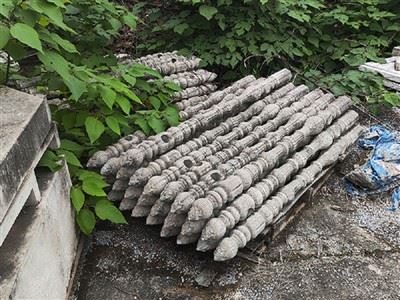
First off, let’s recap what retaining walls actually do, because if you skip that part, none of this makes sense. Retaining walls aren’t just some fancy concrete decoration. They hold back all that dirt, soil, rock, and even water behind them—stuff that would otherwise slide downhill. Think about a steep backyard where someone’s building a deck level with the house, or a highway that needs to stay put next to a cliff face. If that wall fails? You’ve got a whole lot of dirt in your driveway, or worse, a safety hazard. The biggest force these walls have to fight is lateral pressure—like a giant, slow-moving push from all the soil behind. That’s where square piles come in, and this is the first big thing most people don’t get. Round piles might look sleek, but they only have friction holding them in the ground. Square? They’ve got sides. When you drive a square pile deep into the dirt, every single flat side is pressing against the surrounding soil, so there’s way more resistance to that sideways push. No more slipping and sliding of the soil past the pile—this is like giving the retaining wall a tight, reinforced spine that doesn’t wiggle.
Let’s get into the actual nitty-gritty that makes square piles work for this job. You know how soil isn’t just a solid block—it’s got different layers, sand, clay, gravel, maybe even some rocks? The lateral pressure from that soil doesn’t just push straight on the wall; it’s distributed unevenly too. Round piles are smooth, so that pressure can kind of slide along their sides if the dirt shifts a tiny bit over time. Square piles? Their flat faces bite into the soil, creating what engineers call “bearing resistance” and “skin friction” on every single side. It’s not just a single point of friction—it’s a whole surface area locking the pile in place. I’ve seen projects where a round pile would’ve pulled out after a few rainy seasons, but square piles held strong because that extra surface area does the heavy lifting. Also, when you connect square piles to a retaining wall cap or a waler (those horizontal beams that tie the wall together), you don’t have to deal with weird gaps. The flat sides line up perfectly, so the load from the wall transfers directly into the pile, no wasted stress. That’s a huge win for durability.
Another thing I get asked all the time: “Do square piles work for every type of retaining wall?” Short answer: yeah, most of them. Let’s run through the common ones. There’s gravity retaining walls—these big concrete blocks that hold back soil mostly by their own weight. Adding square piles behind the wall (or even embedded into the base) turns a gravity wall into a reinforced one, so you can make the wall smaller, save concrete, and still get way more stability. Then there’s cantilevered retaining walls—those are the ones with a stem and a base that sticks out into the soil. Square piles driven into the base of that stem take all the bending force from the lateral soil pressure, so the stem doesn’t snap like a twig. We also use them for sheet pile retaining walls, which are super common in waterfront areas (think docks, seawalls along lakes or coasts). Water adds even more pressure—hydrostatic pressure pushing sideways, plus the soil under the water is soft, not packed like dry land. Square piles grip that soft, watery soil way better than round ones, so the wall doesn’t tilt when the tide goes out or a big storm hits. I had a customer last year doing a seawall on Lake Michigan who tried round piles first, and they kept leaning 2 or 3 inches after installation. Switched to square piles, and now it’s been two years, no movement at all. That’s the kind of real-world stuff you don’t read about in brochures.
Wait, let’s talk about installation, because that’s a big part of why square piles are such a game-changer, especially for smaller contractors or projects that don’t have giant construction crews. Driving a square pile is straightforward—you use a standard pile driver, same as round ones, but you don’t have to worry about them spinning or twisting during installation. Round piles can rotate as you drive them, which messes up the alignment of the retaining wall, but square piles’ flat sides lock them into place vertically. No more adjusting halfway through, no more wasted time fixing a wonky pile. Also, if you need to cut a square pile to length on site, it’s way easier—no rolling around, it sits flat on the ground, so you can make precise cuts without a fancy setup. For small jobs, like a backyard retaining wall that’s 10 feet tall, you don’t need a huge team. A couple of guys can drive square piles, align the wall, and be done in half the time of messing with round ones. That’s not just convenient—it saves you money on labor, which is a win for everyone.
But hold on, it’s not all perfect—no product is, right? I want to be real with you, because that’s the stuff no one tells you. Square piles aren’t right for every single scenario. If you’re working in super rocky soil where round piles can drill through rock easier? Maybe. Or if you need a super slim pile for a really tight space, like a small urban lot where every inch counts? Round might be thinner, so it’s better. But for 90% of the standard retaining wall projects I see, square piles are the way to go. Another thing: if you don’t drive them deep enough, even square piles won’t help. The key is how much of the pile is buried below the wall base—you need enough depth to lock them into stable soil, not just the top layer that’s loose and shifts when it rains. That’s why working with a supplier who knows their stuff matters, not just someone who’s selling cheap piles. I always tell my customers: measure twice, pile once. If you cut a square pile too short, you can splice another one on, but that adds cost and time. Better to get the right length first.
Let me throw in a quick real-world example that drives this home. A client of mine in suburban Ohio was building a new housing development. One of the lots had a 12-foot slope that needed a retaining wall to make room for a driveway. They first used round steel piles, but a month after installation, the wall started tilting almost an inch. They called me panicking, because they were afraid the whole wall would collapse. We swapped out the round piles for square ones—same diameter (wait, no, actually same cross-sectional area, so same material cost) but square. Drove them 6 feet deeper than the round ones, connected them to the wall’s concrete base, and in three years, that wall hasn’t moved a millimeter. The homeowners around there love it, no complaints about sliding dirt or foundation issues. That’s the kind of result that makes me love what I do, and it’s exactly why I tell people square piles aren’t just a trend—they’re proven.
Now, let’s get to the part where you probably want to know: should you actually use square piles for your next retaining wall project? Let’s weigh it out. If you’re dealing with lateral soil pressure, soft ground, waterfront conditions, or you want to save time and labor on installation, yeah, square piles are the clear choice. They give you better stability, easier alignment, and longer durability. The only time I’d suggest looking at other options is if you’re in super rocky terrain or working with a really tight space where slimness is non-negotiable. But even then, I’d still look hard at square piles before writing them off.

I’ve been in this business long enough to know that a lot of contractors and homeowners go with the “default” round piles because that’s what they’ve always heard of. But I see too many projects down the line that fail because they cut corners on the support structure. Retaining walls aren’t something you want to fix 5 years later—they’re a permanent feature. Square piles are that little extra step that makes the difference between a wall that lasts 20 years and one that lasts 5. And as a Square Pile supplier, I’m not just selling you a product—I’m giving you a piece of mind that your project will stand up to whatever Mother Nature throws at it.
Flower Pot If you’re working on a project right now—whether it’s a small backyard wall or a big commercial development, and you’re wondering if square piles are the right call, or you just need to order some for your next job, reach out. I don’t do pushy sales stuff—just honest advice, and high-quality square piles that are cut to the right length, delivered on time, no hidden fees. Don’t waste time with guesswork when you can have the stability square piles bring to retaining walls.
References
- Construction Engineering Design Association. "Retaining Wall Reinforcement with Precast Square Piles." CEDA Technical Bulletin, 2022.
- American Society of Civil Engineers. "Lateral Soil Pressure Resistance of Square vs. Round Piles." Journal of Geotechnical Engineering, vol. 145, no. 8, 2019, pp. 04019035.
- National Association of Home Builders. "Durable Retaining Wall Systems for Residential Construction." NAHB Construction Guide, 2021.
- International Code Council. "Structural Requirements for Pile-Supported Retaining Walls." ICC Building Code Commentary, 2020 Edition.
- U.S. Army Corps of Engineers. "Seawall Stability in Waterfront Conditions: Pile Type Performance." Coastal Engineering Technical Note, 2018.
Shanghai Dishan Xiumei Railing Manufacturing Co., Ltd.
With 20 years’ experience, we are one of the most professional square pile manufacturers and suppliers in China. We warmly welcome you to wholesale customized square pile made in China here from our factory. If you have any enquiry about quotation, please feel free to email us.
Address: No. 2568 Xiangyanghe Road, Qingpu District, Shanghai
E-mail: 13524911319@163.com
WebSite: https://www.dsxmoutdoorliving.com/
