Hey there, if you’re reading this, you’ve probably landed here because you’re either working with MCPA right now, considering using it for farm work, landscaping, or even industrial applications, or you’re just curious about how to stay safe around this common herbicide. I’ve been in the game as an MCPA supplier for over a decade, so I’ve fielded way too many questions about safety—from new farmers mixing up batches to veteran crew members wondering if they’re skipping a step that could cause issues. Let’s cut through the jargon and talk straight about the real precautions, the ones that actually keep you and your team out of harm’s way. MCPA

First off, let’s get one thing clear: MCPA isn’t some random, untested chemical. It’s a phenoxy herbicide, used mainly to kill broadleaf weeds in grain crops, lawns, pastures, and even non-crop areas like roadsides. It’s been around since the 1940s, so there’s decades of data on how it works and how to handle it. But that doesn’t mean you can treat it like water or a bag of regular fertilizer. A lot of the safety “rules” people hear online are either outdated or misinterpreted, so I want to break down what actually matters, especially from a supplier’s perspective—we see firsthand the mistakes that lead to avoidable incidents, and we’re here to make sure you don’t fall for them.
Let’s start with the basics: personal protective equipment (PPE). This is non-negotiable, but I still see so many people showing up to spray MCPA in shorts, flip-flops, and a t-shirt. C’mon, folks. MCPA can irritate your skin, eyes, and respiratory tract if you’re exposed directly, and even small splashes or fumes over an 8-hour workday can add up. Here’s the line we push to every single customer when they order MCPA: long-sleeved, heavy-duty chemical-resistant clothing—not a cotton t-shirt, because cotton absorbs chemicals like a sponge. Nitrile gloves (not latex, which tears too easily) that go up past your wrists, goggles that seal tight around your eyes (not those flimsy safety glasses that leave gaps), and a N95 or better respirator if you’re mixing concentrated MCPA or spraying in an enclosed, poorly ventilated space like a barn or a windless morning with no air flow. I know it’s hot in the summer, especially if you’re working outside, but I’d rather you take a 5-minute break in the shade to cool down than end up in the ER with a chemical burn on your arm.
Next, handling and mixing concentrated MCPA. This is where most mistakes happen. Concentrated MCPA is way stronger than the ready-to-use spray bottles you might buy for your backyard. If you’re mixing it, never, never pour water into the MCPA concentrate. Always pour the concentrate slowly into the water, not the other way around. Why? Because if you add water to a strong chemical, it can splash back and hit you in the face or arms. We’ve had a customer years ago skip that step, didn’t label their mistake, and ended up with a chemical burn that put them out of work for two weeks. Also, never mix MCPA in an unmarked container. Even if you think you’ll remember, a 10-gallon bucket can look like a bunch of other buckets after a long day, and someone else might grab it to carry water for their lunch or mix fertilizer. Label everything clearly with big, bold letters that say “CONCENTRATED MCPA—DO NOT DRINK OR USE FOR OTHER PURPOSES.” Also, make sure the mixing area is on a hard, flat surface, not dirt or grass, in case of spills. If you spill a small amount, grab the absorbent material we send with every bulk order (clay-based kitty litter works too, but our custom stuff is designed for MCPA) and cover the spill immediately, then sweep it up and dispose of it properly—don’t just hose it into the gutter or onto the lawn. Large spills? Evacuate the area, keep kids and pets away, and call us right away—we’ll walk you through the steps, because we’ve dealt with hundreds of spills and know exactly how to clean them up without making things worse.
Storage is another big one, and a lot of people cut corners here. I’ve seen MCPA stored next to animal feed, or under a tree where rain can get on the containers, or in a garage with lawn chemicals and tools. Bad idea. MCPA containers should be kept in a cool, dry, locked storage area—locked, because kids, teens, or even curious pets can get into them if you’re not careful. Also, keep them separate from food, feed, seeds, and fertilizer. If MCPA leaks onto a bag of grain, you can’t use that grain for anything, and it’s a total waste. We supply our customers with small, stackable storage bins for leftover concentrate, so they don’t have to just leave 5-gallon buckets lying around the farm. Never leave open containers lying around, either—always seal them tight after use. Even a small leak can seep into the ground or get carried by a breeze onto a neighbor’s garden, which leads me to the next big precaution: application practices.
When you’re spraying MCPA, pay attention to the wind. This is probably the most common complaint we get from upset neighbors—someone sprayed MCPA on a calm day, but a sudden gust picked up the fine spray, drifted into a neighbor’s tomato plants or rose bushes, and killed them. So the rule is simple: don’t spray if the wind is blowing more than 10 miles per hour. Wait, no—actually, let’s make that 5 miles per hour. 10 mph might feel calm to you, but that spray can travel a quarter of a mile and hit places you never intended. Also, never spray near water sources—lakes, rivers, ponds, even drainage ditches. MCPA is toxic to fish and aquatic life, and even a small amount getting into a stream can kill a whole school of minnows or disrupt the ecosystem. We had a customer last year spray near a small irrigation ditch, and a heavy rain washed some of the overspray into it. He ended up paying for a full water quality test and a fishing restocking, which cost him way more than he saved by skipping the buffer zone. The buffer zone? Leave at least 20 feet between your application area and any body of water, longer if you’re using a high-concentration spray. Also, don’t spray if rain is predicted within 24 hours—rain will wash the MCPA off the weeds and into the ground, or onto nearby areas, instead of letting it work where it’s supposed to.
Another thing about application: don’t overspray the weeds. It’s tempting to just douse an area to make sure all the weeds die, but that leads to excess MCPA sitting on the ground, which can seep into the soil and stay there for months, or even contaminate nearby plants you didn’t mean to kill. Read the label—yes, I know labels are boring, but they’re there for a reason. Every bottle or bulk drum we send has a detailed label with application rates, timing, and precautions. Follow those rates exactly, don’t just guess. For example, if the label says you need 2 ounces of concentrate per gallon of water for lawns, don’t add 3 ounces “just to be sure.” That’s a quick way to cause damage to your crops or nearby plants. Also, avoid spraying on hot, sunny days—temperatures over 85 degrees Fahrenheit can make MCPA more volatile, meaning it can turn into fumes that drift and damage other plants. We’ve had customers tell us “it was 90 degrees but the wind was calm, so it’s fine”—no, it’s not. Those fumes can travel even when the wind is low, and you won’t even notice until your neighbor’s oak tree starts wilting a week later.
Now, what about exposure after application? If you’re working in an area you sprayed, how long do you have to wait before letting kids, pets, or livestock go back? That’s a question we get all the time. The general rule is 24 to 48 hours for lawns or pastures, but it depends on the concentration and the weather. If it’s been dry and sunny, it might be safe after 24 hours; if it’s been rainy, wait 48 hours. Never let goats, cows, or horses graze on treated pastures until the MCPA has dried completely. Livestock can get sick if they eat grass that still has wet MCPA on it, or even dried residue that’s still toxic. Also, wash your clothes right after you finish spraying—don’t let them sit in a pile in the corner of the barn. Wash them separately from other laundry, use hot water, and make sure the gloves and boots you used get washed too. We provide a quick laundry tip: use a little dish soap or laundry detergent to break down any MCPA residue on your clothes, because regular detergent might not get all of it out.
Wait, let’s talk about emergency situations, because even if you follow every rule, accidents happen. If you get MCPA in your eyes, don’t just rub them—flush them with clean, running water for at least 15 minutes, and get to a doctor right away. If you get it on your skin, take off the contaminated clothes immediately, wash the area with soap and water for 10 minutes, and if you feel any burning or irritation, see a doctor. If you breathe in fumes, get to fresh air right away—go outside, or open windows if you’re inside, and if you’re having trouble breathing, call 911 or the local emergency number. And if someone accidentally drinks MCPA, don’t make them throw up—call a poison control center immediately, that’s the number on every MCPA container we send, by the way. We don’t just leave customers hanging when an emergency comes up; we give them that number and our own 24/7 hotline, because we’re here to support you, not just sell you product.
One last thing that’s super important: disposal of leftover MCPA and empty containers. Don’t pour leftover concentrate down the drain, or throw empty containers in the regular trash. Empty containers should be triple-rinsed with water, and the rinse water should be added to your spray mix to use up the remaining MCPA. Then, you can return the empty containers to us for recycling, or take them to a local hazardous waste facility—most communities have those, and we can help you find the nearest one if you need. Leftover spray mix? Don’t pour it outside; use it up on a designated area where weeds are growing, following the same application rules we talked about, or take it to a hazardous waste facility. Improper disposal is not just bad for the environment—it’s illegal in most places, and you could face fines if you get caught.
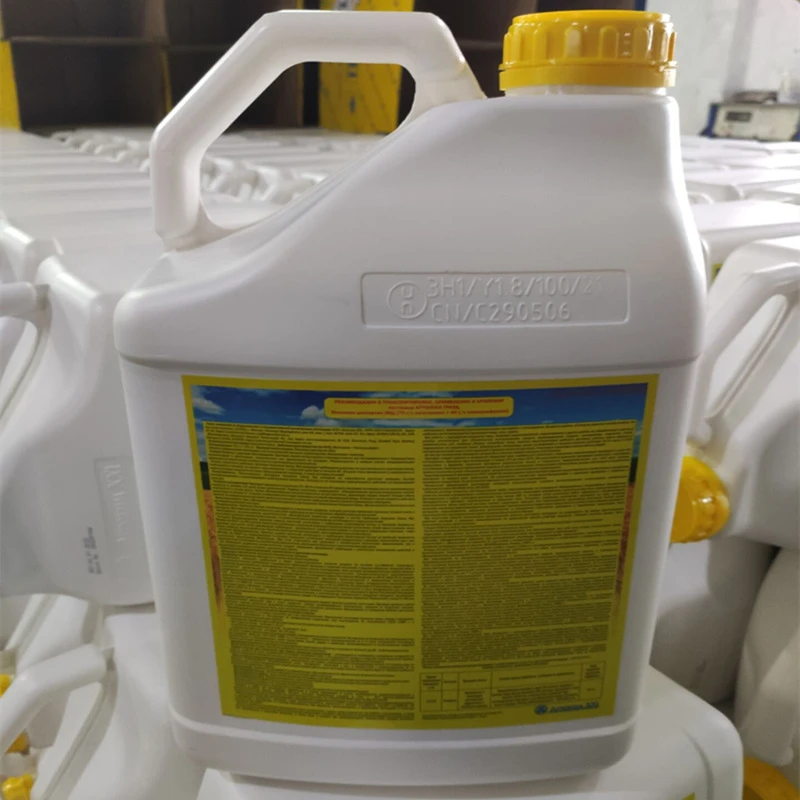
At the end of the day, MCPA is a useful tool for keeping weeds under control, whether you’re a small hobby farmer or a big commercial operation. But like any powerful chemical, it demands respect and attention to detail. We as your MCPA supplier aren’t just here to ship you drums or bottles—we’re here to make sure you use it safely, because your safety, and the safety of the people around you, matters more than anything. If you have questions about proper application, storage, or need more details on any of these precautions, don’t hesitate to reach out to us to discuss your procurement needs. We’re here to help you get the job done right, without cutting corners on safety.
Insecticide References
- U.S. Environmental Protection Agency. (2020). Reregistration Eligibility Decision for MCPA.
- World Health Organization. (2002). MCPA Pesticide Safety Evaluation.
- Crop Protection Association. (2018). Best Management Practices for Phenoxy Herbicide Use.
- Occupational Safety and Health Administration. (2019). Chemical Safety Guidelines for Agricultural Pesticide Handlers.
Changzhou Dayilong Bio-Tech Co., Ltd.
With abundant experience, we are one of the most professional mcpa manufacturers and suppliers in China. Please rest assured to buy bulk high quality mcpa made in China here from our factory. Good service and reasonable price are available.
Address: Hundsun Science & Technology Park 3-1, BeiTangHe Road 8, Tianning District, Changzhou City, Jiangsu, China
E-mail: Sales@dayilongbio-tech.com
WebSite: https://www.dayilongagro-chemical.com/
