As a supplier of Thermoplastic FRPP (Flame Retardant Polypropylene) Cable Compounds, I’m often asked about the hardness of these compounds. Hardness is a crucial property that significantly impacts the performance and suitability of these materials in cable applications. In this blog, I’ll delve into what hardness means in the context of Thermoplastic FRPP Cable Compounds, how it is measured, and why it matters. Thermoplastic FRPP Cable Compounds
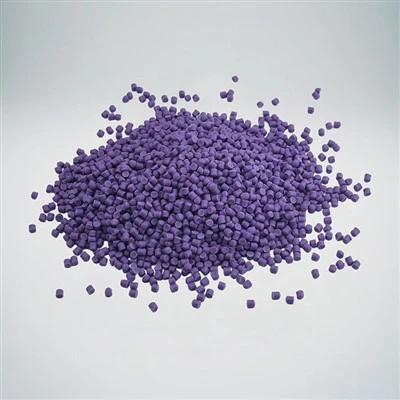
Understanding Hardness in Thermoplastic FRPP Cable Compounds
Hardness, in general, refers to the material’s resistance to indentation, scratching, or deformation. For Thermoplastic FRPP Cable Compounds, hardness plays a vital role in determining the cable’s durability, flexibility, and protection against external factors. The hardness of these compounds can be influenced by several factors, including the type and amount of additives, the molecular structure of the polymer, and the manufacturing process.
Molecular Structure and Additives
The base polymer in FRPP Cable Compounds is polypropylene, a semi – crystalline thermoplastic. The degree of crystallinity in polypropylene significantly affects its hardness. Higher crystallinity generally leads to a harder material. During the compounding process, flame retardants, fillers, and other additives are incorporated into the polypropylene matrix. These additives can either increase or decrease the hardness of the final compound.
Flame retardants, such as brominated or phosphorus – based compounds, are often added to meet the fire safety requirements of cables. Some flame retardants can act as plasticizers, reducing the hardness of the compound and making it more flexible, while others may increase the hardness by forming a rigid structure within the polymer matrix.
Fillers, like calcium carbonate or talc, are used to improve the mechanical properties and reduce the cost of the compound. Adding fillers usually increases the hardness of the FRPP Cable Compounds. Fillers act as reinforcement agents, restricting the movement of polymer chains and making the material more resistant to deformation.
Measuring the Hardness of Thermoplastic FRPP Cable Compounds
There are several methods to measure the hardness of plastics, and the most commonly used method for Thermoplastic FRPP Cable Compounds is the Shore hardness test. The Shore hardness scale has two main scales: Shore A and Shore D.
The Shore A scale is used for softer materials, such as rubber – like polymers, while the Shore D scale is used for harder plastics. For Thermoplastic FRPP Cable Compounds, the Shore D scale is more appropriate as these compounds are relatively hard compared to elastomers.
In the Shore hardness test, a durometer is used to measure the depth of indentation caused by a specified indenter under a defined force. The hardness value is read on a scale from 0 to 100. A higher Shore D value indicates a harder material. For example, a Thermoplastic FRPP Cable Compound with a Shore D hardness of 70 is harder than a compound with a Shore D hardness of 60.
Importance of Hardness in Cable Applications
Mechanical Protection
The hardness of the FRPP Cable Compounds provides the necessary mechanical protection for the cable’s internal components, such as conductors and insulation materials. In harsh environments, cables may be subjected to mechanical stresses, such as abrasion, impact, and crushing. A harder compound can better withstand these stresses, preventing damage to the cable and ensuring its long – term reliability.
Rigidity and Shape Retention
Cables need to maintain their shape and structure during installation and use. A compound with an appropriate hardness ensures that the cable remains rigid enough to resist bending and twisting, while still being flexible enough for easy handling. This is particularly important for cables used in complex wiring systems or in applications where the cable needs to be routed through tight spaces.
Resistance to Environmental Factors
Harder FRPP Cable Compounds are generally more resistant to environmental factors, such as chemicals, moisture, and heat. Chemicals can cause swelling and degradation of the cable compound, while moisture can lead to corrosion of the conductors. A hard compound provides a better barrier against these factors, protecting the cable and extending its lifespan.
Compatibility with Installation Equipment
The hardness of the cable compound also affects its compatibility with installation equipment. For example, cables with a very hard compound may be difficult to strip or terminate, while cables with a too – soft compound may not hold the connectors properly. Therefore, it is essential to select a compound with the right hardness to ensure smooth installation and reliable connections.
Impact of Process Conditions on Hardness
The manufacturing process of Thermoplastic FRPP Cable Compounds can also have a significant impact on their hardness. The temperature, pressure, and cooling rate during extrusion can affect the degree of crystallinity and the distribution of additives in the compound.
Higher extrusion temperatures can promote better blending of the polymer and additives, resulting in a more homogeneous compound. However, if the temperature is too high, it may cause thermal degradation of the polymer and additives, leading to a change in the hardness. The cooling rate also plays a crucial role. A faster cooling rate can increase the degree of crystallinity, resulting in a harder compound, while a slower cooling rate may lead to a softer compound.
Selecting the Right Hardness for Your Application
When selecting Thermoplastic FRPP Cable Compounds for a specific application, it is important to consider the requirements of the cable. For example, cables used in indoor wiring applications may require a softer compound for easy installation and flexibility, while cables used in outdoor or industrial applications may need a harder compound for better mechanical protection and resistance to environmental factors.
It is also important to work closely with a reliable supplier who can provide technical support and guidance on selecting the right compound. A good supplier can help you understand the relationship between hardness and other properties of the compound, such as flame retardancy, electrical conductivity, and thermal stability.
Conclusion
The hardness of Thermoplastic FRPP Cable Compounds is a critical property that affects the cable’s performance, durability, and suitability for different applications. Understanding the factors that influence hardness, how to measure it, and its importance in cable applications is essential for selecting the right compound.
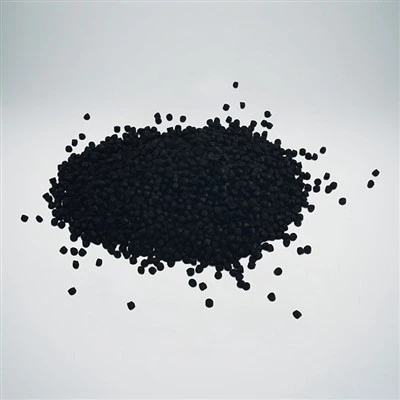
As a supplier of Thermoplastic FRPP Cable Compounds, I am committed to providing high – quality products with the appropriate hardness for your specific needs. Our team of experts can help you choose the right compound, conduct customized tests, and ensure the best performance of your cables.
Functional Masterbatches If you are interested in learning more about our Thermoplastic FRPP Cable Compounds or would like to discuss your specific requirements, please feel free to reach out. We look forward to the opportunity to work with you and provide you with the best solutions for your cable needs.
References
- ASTM D2240 – Standard Test Method for Rubber Property – Durometer Hardness
- "Plastics Materials" by J. A. Brydson
Opta New Materials (Jiangsu) Co., Ltd.
As one of the most professional thermoplastic FRPP cable compounds manufacturers and suppliers in China, we also support customized service. We warmly welcome you to buy bulk durable thermoplastic FRPP cable compounds from our factory. If you have any enquiry about free sample, please feel free to email us.
Address: No.80, Jingang Avenue, Zhenjiang New Area, Zhenjiang City, Jiangsu Province, China.
E-mail: le.yin@optachem.com
WebSite: https://www.optanewmaterials.com/
