Can an EC meter measure the EC of wastewater?
As a provider of EC meters, I’ve encountered numerous inquiries about the applicability of our devices in measuring the electrical conductivity (EC) of wastewater. This topic is not only crucial for environmental monitoring and industrial waste management but also for ensuring the efficiency and compliance of various processes. In this blog, I’ll delve into the technical aspects, practical considerations, and limitations of using an EC meter to measure the EC of wastewater. EC Meter
Understanding Electrical Conductivity and Its Significance
Before we explore the use of EC meters in wastewater analysis, it’s essential to understand what electrical conductivity is and why it matters. Electrical conductivity is a measure of a substance’s ability to conduct an electric current. In the context of aqueous solutions, such as wastewater, EC is primarily determined by the concentration and mobility of ions present in the water. These ions can include salts, acids, bases, and other dissolved solids, which are commonly found in industrial effluents, domestic sewage, and agricultural runoff.
The measurement of EC in wastewater is valuable for several reasons. Firstly, it provides an indirect indication of the total dissolved solids (TDS) in the water, which is an important parameter for assessing water quality. High TDS levels can indicate the presence of pollutants, such as heavy metals, salts, and organic compounds, which can have adverse effects on aquatic ecosystems, human health, and industrial processes. Secondly, EC measurements can be used to monitor the efficiency of water treatment processes, such as desalination, filtration, and chemical treatment. By measuring the EC of wastewater before and after treatment, operators can determine the effectiveness of the treatment process and make adjustments as needed.
How EC Meters Work
EC meters are instruments designed to measure the electrical conductivity of a solution. They typically consist of two electrodes that are immersed in the solution. When an electric current is applied to the electrodes, the ions in the solution move towards the electrodes, creating an electric current. The EC meter measures the strength of this current and converts it into a conductivity value, which is usually expressed in units of microsiemens per centimeter (μS/cm) or millisiemens per centimeter (mS/cm).
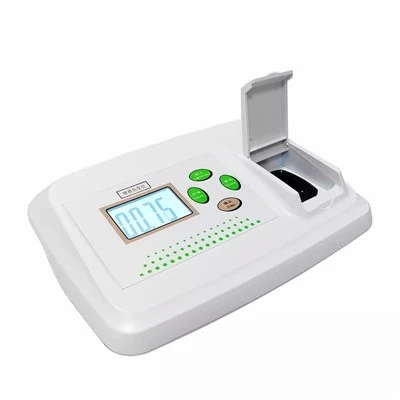
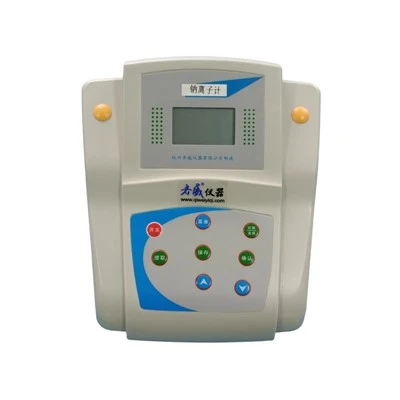
There are several types of EC meters available on the market, including handheld meters, benchtop meters, and online meters. Handheld meters are portable and easy to use, making them suitable for field measurements and spot checks. Benchtop meters are more accurate and precise, and they are often used in laboratory settings for detailed analysis. Online meters are designed to continuously monitor the EC of a process stream, and they are commonly used in industrial applications, such as water treatment plants and manufacturing facilities.
Measuring the EC of Wastewater
The short answer to the question "Can an EC meter measure the EC of wastewater?" is yes. However, there are several factors that need to be considered when using an EC meter to measure the EC of wastewater. These factors can affect the accuracy and reliability of the measurements, and they need to be taken into account when interpreting the results.
One of the main challenges of measuring the EC of wastewater is the presence of suspended solids and organic matter. These substances can interfere with the measurement by coating the electrodes and reducing their sensitivity. To overcome this problem, it is recommended to filter the wastewater before measuring the EC. This can be done using a filter paper or a membrane filter with a pore size of 0.45 μm or smaller. Filtering the wastewater will remove the suspended solids and organic matter, allowing for more accurate measurements.
Another factor that can affect the measurement of EC in wastewater is the temperature of the water. The conductivity of a solution is temperature-dependent, and it increases with increasing temperature. Therefore, it is important to measure the temperature of the wastewater at the same time as the EC and to correct the conductivity value for temperature. Most modern EC meters have a built-in temperature sensor and a temperature compensation feature that automatically corrects the conductivity value for temperature.
In addition to suspended solids, organic matter, and temperature, the composition of the wastewater can also affect the measurement of EC. Different types of ions have different conductivities, and the presence of certain ions can have a significant impact on the overall conductivity of the solution. For example, the conductivity of a solution containing sodium chloride (NaCl) will be different from the conductivity of a solution containing calcium carbonate (CaCO3). Therefore, it is important to know the composition of the wastewater and to use an appropriate calibration standard when measuring the EC.
Limitations of EC Meters in Wastewater Analysis
While EC meters can provide valuable information about the electrical conductivity of wastewater, they have some limitations. One of the main limitations is that they only measure the total conductivity of the solution, which includes the contribution from all the ions present in the water. They do not provide information about the specific types or concentrations of the ions. Therefore, EC measurements alone cannot be used to identify the source or type of pollution in the wastewater.
Another limitation of EC meters is that they are sensitive to changes in the composition of the wastewater. If the composition of the wastewater changes significantly, the conductivity value may also change, even if the concentration of the pollutants remains the same. This can make it difficult to interpret the results and to determine the effectiveness of the water treatment process.
Finally, EC meters are not suitable for measuring the conductivity of highly concentrated solutions or solutions containing high levels of suspended solids or organic matter. In these cases, the electrodes may become coated or fouled, which can affect the accuracy and reliability of the measurements.
Practical Considerations for Using EC Meters in Wastewater Analysis
Despite the limitations, EC meters can be a useful tool for measuring the electrical conductivity of wastewater. Here are some practical considerations for using EC meters in wastewater analysis:
- Choose the right EC meter: Select an EC meter that is suitable for the type of wastewater you are measuring. Consider factors such as the range of conductivity values, the accuracy and precision of the measurements, and the features of the meter, such as temperature compensation and automatic calibration.
- Calibrate the EC meter regularly: Calibration is essential for ensuring the accuracy and reliability of the measurements. Use a calibration standard that is appropriate for the range of conductivity values you are measuring, and follow the manufacturer’s instructions for calibration.
- Filter the wastewater before measuring the EC: As mentioned earlier, filtering the wastewater can help to remove suspended solids and organic matter, which can interfere with the measurement. Use a filter paper or a membrane filter with a pore size of 0.45 μm or smaller.
- Measure the temperature of the wastewater: The conductivity of a solution is temperature-dependent, so it is important to measure the temperature of the wastewater at the same time as the EC and to correct the conductivity value for temperature.
- Take multiple measurements: To ensure the accuracy and reliability of the measurements, take multiple measurements at different locations and times. This will help to account for any variations in the composition of the wastewater.
- Interpret the results carefully: Remember that EC measurements alone cannot be used to identify the source or type of pollution in the wastewater. Use other analytical techniques, such as chemical analysis and biological testing, to complement the EC measurements and to obtain a more complete picture of the water quality.
Conclusion
In conclusion, an EC meter can be used to measure the electrical conductivity of wastewater, but there are several factors that need to be considered when using an EC meter in wastewater analysis. These factors include the presence of suspended solids and organic matter, the temperature of the water, the composition of the wastewater, and the limitations of the EC meter. By taking these factors into account and following the practical considerations outlined in this blog, you can use an EC meter to obtain accurate and reliable measurements of the EC of wastewater, which can help you to monitor the water quality, assess the efficiency of the water treatment process, and ensure compliance with environmental regulations.
DO Meter If you are interested in purchasing an EC meter for wastewater analysis, or if you have any questions or concerns about using an EC meter in your application, please contact us. Our team of experts is available to provide you with technical support and guidance, and to help you choose the right EC meter for your needs.
References
- APHA, AWWA, WEF. (2017). Standard Methods for the Examination of Water and Wastewater (23rd ed.). American Public Health Association.
- Hach Company. (2019). Water Analysis Handbook (5th ed.). Hach Company.
- Radojevic, M., & Bashkin, V. N. (2006). Practical Environmental Analysis (2nd ed.). CRC Press.
Hangzhou Qiwei Instrument Co., Ltd.
Hangzhou Qiwei Instrument Co., Ltd. is one of the most reliable manufacturers and suppliers of ec meter in China, featured by quality products and good service. Please rest assured to buy bulk durable ec meter in stock here from our factory. We also accept customized orders.
Address: Room 101, Building 25, No. 488-1, Donghu North Road, Linping District, Hangzhou City, Zhejiang Province, China
E-mail: info@qiweilab.com
WebSite: https://www.qiweilab.com/
