Welded wire mesh is a versatile product used in a wide range of applications, from construction and agriculture to industrial and decorative purposes. As a supplier of welded wire mesh, I often receive inquiries about the best way to bend this material. In this blog post, I’ll share some insights and practical tips on bending welded wire mesh effectively and safely. Welded Wire Mesh
Understanding the Properties of Welded Wire Mesh
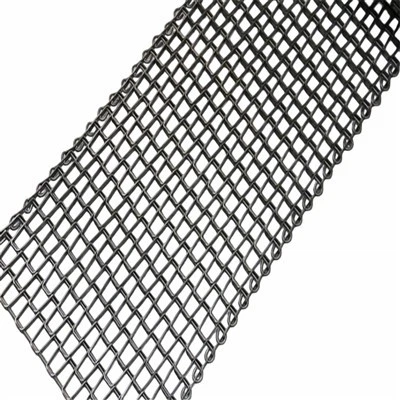
Before we dive into the bending techniques, it’s crucial to understand the properties of welded wire mesh. Welded wire mesh is made by welding intersecting wires together at their joints. The wires can be made of various materials, such as steel, stainless steel, or galvanized steel, and come in different gauges and mesh sizes.
The strength and flexibility of welded wire mesh depend on several factors, including the wire gauge, mesh size, and the type of material used. Thicker wires and smaller mesh sizes generally result in a stronger and less flexible mesh, while thinner wires and larger mesh sizes are more flexible but may be less durable.
Tools and Equipment Needed for Bending Welded Wire Mesh
To bend welded wire mesh, you’ll need a few essential tools and equipment:
- Measuring Tape: To measure the length and width of the mesh and mark the bending points accurately.
- Marker or Chalk: To mark the bending points on the mesh.
- Bending Tool: Depending on the thickness and size of the mesh, you can use a variety of bending tools, such as a pipe bender, a vise, or a specialized wire mesh bender.
- Safety Gear: Wear safety glasses, gloves, and other appropriate safety gear to protect yourself from sharp edges and flying debris.
Bending Techniques for Welded Wire Mesh
There are several techniques you can use to bend welded wire mesh, depending on the shape and size of the bend you need. Here are some common bending techniques:
Manual Bending
Manual bending is the simplest and most cost-effective way to bend welded wire mesh. To bend the mesh manually, follow these steps:
- Mark the Bending Points: Use a measuring tape and a marker or chalk to mark the bending points on the mesh. Make sure the marks are accurate and evenly spaced.
- Secure the Mesh: Place the mesh on a flat surface and secure it with clamps or a vise. Make sure the mesh is firmly held in place to prevent it from moving during the bending process.
- Bend the Mesh: Use your hands or a bending tool to gradually bend the mesh at the marked points. Apply even pressure and bend the mesh slowly to avoid breaking the wires or damaging the welds.
- Check the Bend: Once you’ve bent the mesh to the desired shape, check the bend to make sure it’s smooth and even. If necessary, make any adjustments to the bend using a bending tool or your hands.
Using a Pipe Bender
A pipe bender is a useful tool for bending welded wire mesh into curved or circular shapes. To use a pipe bender to bend the mesh, follow these steps:
- Select the Appropriate Pipe Bender: Choose a pipe bender that is suitable for the thickness and size of the mesh you’re bending. Make sure the pipe bender has a bending radius that matches the desired shape of the bend.
- Mark the Bending Points: Use a measuring tape and a marker or chalk to mark the bending points on the mesh. Make sure the marks are accurate and evenly spaced.
- Insert the Mesh into the Pipe Bender: Place the mesh into the pipe bender and align it with the bending points. Make sure the mesh is firmly held in place to prevent it from moving during the bending process.
- Bend the Mesh: Use the pipe bender to gradually bend the mesh at the marked points. Apply even pressure and bend the mesh slowly to avoid breaking the wires or damaging the welds.
- Check the Bend: Once you’ve bent the mesh to the desired shape, check the bend to make sure it’s smooth and even. If necessary, make any adjustments to the bend using the pipe bender or a bending tool.
Using a Vise
A vise is a useful tool for bending welded wire mesh into straight or angular shapes. To use a vise to bend the mesh, follow these steps:
- Select the Appropriate Vise: Choose a vise that is suitable for the thickness and size of the mesh you’re bending. Make sure the vise has a jaw width that is wide enough to hold the mesh securely.
- Mark the Bending Points: Use a measuring tape and a marker or chalk to mark the bending points on the mesh. Make sure the marks are accurate and evenly spaced.
- Secure the Mesh in the Vise: Place the mesh in the vise and align it with the bending points. Make sure the mesh is firmly held in place to prevent it from moving during the bending process.
- Bend the Mesh: Use a bending tool or your hands to gradually bend the mesh at the marked points. Apply even pressure and bend the mesh slowly to avoid breaking the wires or damaging the welds.
- Check the Bend: Once you’ve bent the mesh to the desired shape, check the bend to make sure it’s smooth and even. If necessary, make any adjustments to the bend using the vise or a bending tool.
Tips for Bending Welded Wire Mesh
Here are some tips to help you bend welded wire mesh effectively and safely:
- Choose the Right Mesh: Select a welded wire mesh that is suitable for the application and the bending requirements. Consider the wire gauge, mesh size, and the type of material used.
- Use the Right Tools: Use the appropriate tools and equipment for the bending process. Make sure the tools are in good condition and are suitable for the thickness and size of the mesh.
- Mark the Bending Points Accurately: Use a measuring tape and a marker or chalk to mark the bending points on the mesh accurately. Make sure the marks are evenly spaced and are in the right position.
- Apply Even Pressure: When bending the mesh, apply even pressure to avoid breaking the wires or damaging the welds. Bend the mesh slowly and gradually to ensure a smooth and even bend.
- Check the Bend Regularly: As you’re bending the mesh, check the bend regularly to make sure it’s in the right shape and size. Make any adjustments to the bend as needed.
- Wear Safety Gear: Wear appropriate safety gear, such as safety glasses, gloves, and other protective equipment, to protect yourself from sharp edges and flying debris.
Conclusion

Bending welded wire mesh is a relatively simple process that can be done using a variety of tools and techniques. By understanding the properties of welded wire mesh, using the right tools and equipment, and following the tips and techniques outlined in this blog post, you can bend welded wire mesh effectively and safely.
Hexagonal Wire Mesh As a supplier of welded wire mesh, I’m committed to providing high-quality products and excellent customer service. If you have any questions or need further information about bending welded wire mesh, or if you’re interested in purchasing welded wire mesh for your project, please don’t hesitate to contact me. I’ll be happy to assist you and provide you with the information and support you need.
References
- "Welded Wire Mesh: Properties and Applications." Metal Products Handbook.
- "Bending Techniques for Welded Wire Mesh." Industrial Metalworking Magazine.
- "Safety Guidelines for Working with Welded Wire Mesh." Occupational Safety and Health Administration (OSHA).
Anping Chenran Wire Mesh Co., Ltd.
We’re well-known as one of the leading welded wire mesh manufacturers and suppliers in China. With a professional production team, we are able to meet the needs of the majority of our customers. Please rest assured to buy high quality welded wire mesh in stock here from our factory.
Address: 500 Meters North of Guozhuang Village, Daziwen Town, Anping County, Hengshui City, Hebei, China
E-mail: sales@chenranwiremesh.com
WebSite: https://www.chenranwiremesh.com/
