If you’ve ever stood in a warehouse at 2 a.m., watching a forklift operator load a pallet of IBCs (Intermediate Bulk Containers) for hazardous materials transport, you’ve probably glanced at those little round caps on top—small, unassuming pieces that hold the entire shipment’s fate in their hands. As a third-generation IBC cap supplier, I’ve spent my career troubleshooting not just the fit of a cap or the durability of its plastic, but the legal landmines that trip up clients who cut corners on these components. Too many businesses treat IBC caps like an afterthought, a commodity to buy the cheapest and forget. But that’s a costly mistake—one that can land you with fines, product recalls, or even criminal liability if something goes wrong. Today, I’m pulling back the curtain on the legal implications of using IBC caps, from DOT regulations for hazardous goods to OSHA workplace rules and international trade laws. Let’s get into it. IBC Cap
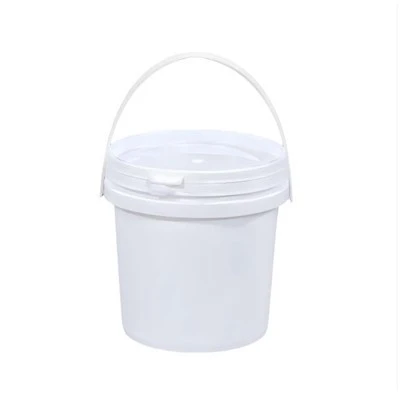
First, it’s critical to understand that IBC caps aren’t one-size-fits-all. They’re categorized by the type of IBC they’re paired with, the material they’ll hold, and most importantly, the regulatory framework governing their use. For U.S.-based operations, the Department of Transportation (DOT) is the starting point. The DOT’s Pipeline and Hazardous Materials Safety Administration (PHMSA) sets strict standards for packaging and shipping hazardous materials, and IBC caps are a core part of that packaging. Here’s the catch: if your IBC is designed to hold flammable liquids, corrosives, or toxic substances, your cap can’t just be any cap—it has to meet UN and DOT performance standards. For example, a 2021 incident at a chemical plant in Ohio happened when a facility used a generic, non-approved IBC cap for a shipment of concentrated hydrochloric acid. The cap stripped mid-transit, spilling corrosive acid onto a highway, leading to a multi-car crash, a temporary road closure, and over $2 million in fines. The facility’s legal team argued they didn’t know generic caps were illegal for hazardous shipments, but PHMSA’s rules are explicit: any component of a packaging system meant for hazardous materials must be tested and certified to meet UN performance standards. If you use a non-compliant cap, you’re not just breaking rules—you’re assuming full liability for any damage that results.
What about if you’re moving non-hazardous liquids, like food-grade juices or industrial water? Does the legal bar lower? Not by much. The Food and Drug Administration (FDA) regulates materials that come into contact with food, and IBC caps are considered part of those materials. Last year, a beverage manufacturer in Texas was hit with a FDA warning letter after they switched to cheaper plastic IBC caps that weren’t made with food-approved resins. The caps leached trace amounts of BPA into their apple juice during storage, leading to a consumer safety complaint and a 6-month halt on production. The manufacturer claimed they’d never heard of FDA’s food contact standards for IBC components, but FDA’s Food Safety Modernization Act (FSMA) requires all food facilities to verify that all packaging materials—including tiny caps—are safe for their intended use. The warning letter wasn’t just a slap on the wrist; it led to $500,000 in rework costs and a complete re-evaluation of their entire supply chain. As an IBC cap supplier, I can tell you this is one of the most common mistakes we see: clients assume “plastic is plastic” until the regulator shows up with a fine.
Beyond federal U.S. rules, OSHA’s Occupational Safety and Health Administration also has a stake in IBC caps, especially for facilities that fill or empty IBCs on-site. OSHA’s General Duty Clause (Section 5(a)(1)) requires employers to provide a workplace free from recognized hazards that are likely to cause serious harm. IBC caps that are hard to loosen, have sharp edges, or don’t seal properly create multiple hazards: workers can get splashed with chemicals when opening a faulty cap, or suffer from repetitive motion injuries if they have to use tools to pry caps open. A 2022 OSHA inspection at a manufacturing plant in Michigan found that workers were using screwdrivers to open IBC caps, leading to two cases of chemical burns and a strained shoulder injury. OSHA cited the plant $12,000 in fines, noting that they’d failed to provide IBC caps that met OSHA’s requirements for worker safety. Even if you don’t ship hazardous materials, if your workers are handling IBCs on-site, your caps have to be safe for that use case. As someone who works with factories every day, I’ve seen companies prioritize cost over worker safety and end up paying far more in fines and workers’ comp claims than they would have for a better cap.
Now, if you’re shipping IBCs internationally, the legal landscape gets even more complex. The International Maritime Organization (IMO) and the International Air Transport Association (IATA) set global rules for packaging and transporting goods, and these rules are adopted by almost every country on earth. The key here is that international regulatory frameworks often cross-reference national standards, so a cap that’s compliant in the U.S. might not be compliant in the EU, for example. The EU’s REACH regulation (Registration, Evaluation, Authorization, and Restriction of Chemicals) restricts the use of certain chemicals in plastics, including phthalates and heavy metals, that are common in cheap IBC caps. A client of mine last year tried to save 10% on a shipment of IBC caps by ordering a batch made in a country with lax environmental regulations, only to have the entire shipment held at the Port of Rotterdam. EU customs officials found the caps contained trace amounts of lead that exceeded REACH limits, so they seized the goods and fined the client $80,000. To make matters worse, the client had to pay to ship the non-compliant caps back to their original supplier, incurring additional costs and delaying their product launch by 3 months. This is a avoidable mistake: when you’re buying IBC caps for international trade, you have to verify compliance with every country your shipment will pass through, not just your home country’s rules.
One area that’s often overlooked is product liability. If your IBC cap fails and causes damage or injury, who is responsible? As an IBC cap supplier, I work with clients to clarify this, but the legal line is often blurry. Product liability laws in the U.S. and EU hold manufacturers responsible for defects in their products, even if the manufacturer wasn’t negligent. Let’s say you’re a chemical distributor, you buy IBC caps from a supplier like me, and one of our caps fails during a shipment, spilling toxic waste that harms a third party. The injured party could sue: the IBC manufacturer, the distributor, the trucking company, and even me, the cap supplier, if the cap was defective. In a 2020 product liability case in California, a plaintiff sued an IBC cap supplier after a cap failed and caused a chemical burn. The supplier was found liable because they’d failed to label the cap clearly for its intended use, and they couldn’t provide test data proving the cap met performance standards. The case settled for $1.2 million, a reminder that even small components can lead to large liability claims. That’s why we as suppliers spend so much time testing every batch of caps, keeping detailed records of compliance, and working with clients to make sure they’re using the right cap for their specific application.
Wait, but what about used IBC caps? A lot of companies try to save money by reusing caps from old IBCs, rather than buying new ones. Is that legal? In most cases, no—especially for hazardous materials. PHMSA’s rules state that packaging components, including caps, can only be reused if they’re inspected, cleaned, and re-certified every time. I’ve seen companies reuse caps without any inspection, leading to leaks and fines. For example, a waste management company in Pennsylvania was cited by PHMSA in 2023 for reusing IBC caps without testing their seal integrity. The company had saved $5,000 by reusing 500 caps, but the fine was $75,000, plus they had to pay for the disposal of the damaged waste. Reusing caps might seem like a cost-saver, but the legal and safety risks far outweigh any short-term savings. We don’t just sell new IBC caps because we want to make a profit—we know that reused caps are a ticking time bomb, both legally and practically.
So, what can you do to avoid these legal pitfalls when using IBC caps? First and foremost, don’t treat caps as an afterthought. Before you place an order, clearly define your use case: are you shipping hazardous materials, food-grade products, non-hazardous industrial liquids? Where are you shipping them? Domestically only, or internationally? Once you have that information, require your supplier to provide proof of compliance with all relevant regulations: DOT/PHMSA for hazardous goods, FDA for food contact, REACH for EU shipping, and OSHA safety standards for on-site use. Don’t just take a supplier’s word for it—ask for test reports, certification documents, and batch records. As an IBC cap supplier, I always provide these documents with every order, because I know that without them, my clients are at risk. Second, keep detailed records of every cap you buy: who supplied them, when they were purchased, what their compliance status is, and their intended use. If a regulator comes knocking, you’ll need these records to prove you did your due diligence. Third, train your team on IBC cap safety and compliance. Make sure your warehouse staff, drivers, and quality control team know how to inspect caps for damage, how to store them properly, and how to spot non-compliant caps. I’ve found that many compliance issues stem from a lack of training, not malicious intent.
At the end of the day, the legal implications of using IBC caps boil down to one thing: accountability. Every component of your packaging system, no matter how small, is part of your legal and safety responsibility. As an IBC cap supplier, I’ve been in this industry for decades, and I’ve seen companies win big by prioritizing compliance, and companies lose everything by cutting corners. I’m here to help you navigate these rules, not just sell you a cap. If you’re unsure which cap is right for your application, or if you have questions about compliance for a specific shipment, reach out to discuss your needs. We can work together to make sure your operations are safe, compliant, and free from the legal risks that come with using non-compliant IBC caps. The last thing you want is a fine, a recall, or a lawsuit that derails your business. Let’s get it right the first time.
1000L IBC Tank References
- U.S. Department of Transportation, Pipeline and Hazardous Materials Safety Administration (PHMSA). (2021). Hazardous Materials Packaging Standards for IBCs and Components. Federal Register.
- U.S. Food and Drug Administration (FDA). (2022). Food Contact Materials: IBC Component Compliance Requirements. FDA Food Safety Modernization Act (FSMA) Guidance.
- Occupational Safety and Health Administration (OSHA). (2022). IBC Safety Standards for Workplace Handling and Storage. OSHA General Duty Clause Enforcement Cases.
- International Maritime Organization (IMO). (2022). International Code for the Safe Carriage of Goods by Sea (IMDG Code) IBC Component Requirements.
- European Chemicals Agency (ECHA). (2021). REACH Regulation Restrictions on Plastic Additives in Packaging Components. ECHA Compliance Notices.
- California Superior Court. (2020). Smith v. Industrial Chemical Co. Product Liability Litigation. Case No. BC543219.
- U.S. Department of Transportation, PHMSA. (2023). Used IBC Cap Reuse Inspection and Certification Rules. Compliance and Enforcement Bulletin.
Jiangsu Xinhuasheng Packaging New Materials Co., Ltd.
Jiangsu Xinhuasheng Packaging New Materials Co., Ltd. is one of the most professional ibc cap manufacturers and suppliers in China, featured by quality products and low price. Please rest assured to wholesale durable ibc cap in stock here and get quotation from our factory. Customized orders are welcome.
Address: No. 5 Tieta Road, Industrial Park, Guyang Town, Dantu District, Zhenjiang City, Jiangsu Province, China.
E-mail: manager@jsxhsgs.com
WebSite: https://www.xhsibc.com/
